
Pathogen Identification in Pediatric Hematopoietic Stem Cell Transplant Patients with Suspected Lower Respiratory Tract Infection
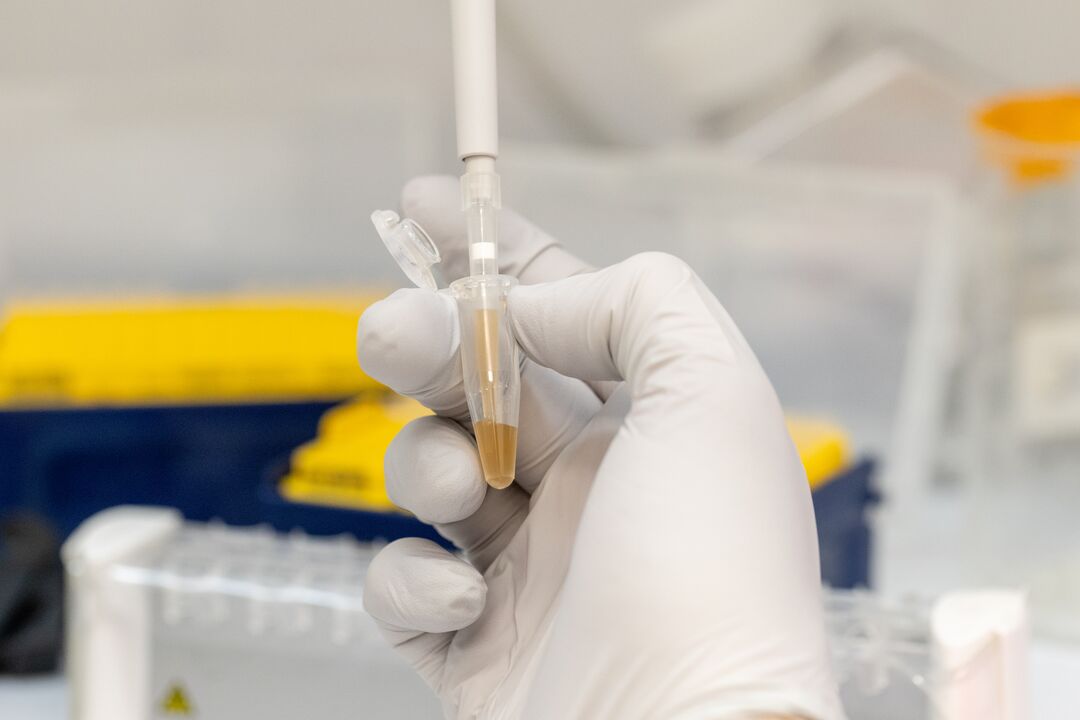
Our laboratory focuses on improving the diagnosis of life-threatening lung infections in immunocompromised children, particularly those undergoing hematopoietic stem cell transplantation. Children who undergo hematopoietic stem cell transplantation (HSCT) are at high risk for life-threatening lung infections. Despite extensive testing, doctors are often unable to identify the specific organism causing infection in up to one-third of cases, which limits the ability to deliver targeted treatment. Our research uses advanced genomic sequencing (next-generation sequencing, NGS) to detect bacteria, viruses, and fungi directly from respiratory samples. This approach allows us to identify pathogens that traditional diagnostic methods may miss. Importantly, we do not only detect organisms—we also study the surrounding lung environment. By measuring inflammatory signals such as cytokines and immune gene expression, we aim to distinguish between organisms that are actively causing disease and those that are harmless colonizers. This work aims to improve diagnostic accuracy, reduce unnecessary treatments, and enable more precise, targeted therapies for vulnerable pediatric patients.
Contact